
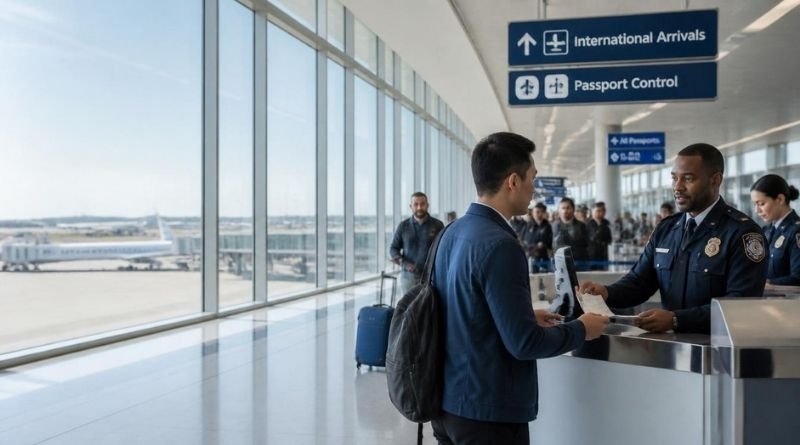
O’Hare International Airport is one of the busiest airports in the United States, welcoming millions of international travelers every year. While most visitors complete immigration inspection without any issues, some may experience additional screening or temporary detention by U.S. immigration authorities.
Understanding how the process works can help travelers prepare for international arrivals and know what to expect if additional inspection becomes necessary.
This guide explains O’Hare Airport immigration detention, the reasons travelers may be detained, how secondary inspection works, and what rights individuals generally have during the process.
Quick Facts
| Topic | Information |
|---|---|
| Airport | O’Hare International Airport (ORD) |
| Location | Chicago, Illinois |
| Agencies Involved | U.S. Customs and Border Protection (CBP), Immigration and Customs Enforcement (ICE) |
| Purpose | Immigration inspection and border enforcement |
| Applies To | International arrivals |
What Is O’Hare Airport Immigration Detention?
Immigration detention at O’Hare refers to situations where a traveler is temporarily held by federal immigration authorities while their immigration status, travel documents, or eligibility to enter the United States is reviewed.
Not everyone referred for additional screening is detained. In many cases, travelers simply undergo extra questioning before being allowed to continue their journey.
If officials determine that additional investigation is required, an individual may remain in temporary custody until a decision is made or further processing takes place.
How Immigration Screening Works at O’Hare
Every international traveler arriving at O’Hare must complete inspection by U.S. Customs and Border Protection.
The inspection generally includes:
- Passport verification
- Visa review (when applicable)
- Questions about travel purpose
- Identity confirmation
- Customs declaration
For most passengers, this process takes only a few minutes.
However, some travelers may be directed to another inspection area for additional review.
What Is Secondary Inspection?
Secondary inspection is a separate screening process used when officers need more information before making an admission decision.
Being sent to secondary inspection does not automatically mean a traveler has violated immigration laws.
Additional screening may occur because:
- Documents require verification.
- Travel history needs clarification.
- Information in government databases requires review.
- Officers need additional questioning.
Many travelers complete secondary inspection successfully and are admitted into the United States after the review is finished.
Why Might Someone Be Detained?
Immigration detention does not happen in every secondary inspection case. It generally occurs when officers believe additional legal or administrative action is necessary.
Some possible reasons include:
Documentation Issues
Missing, expired, or inconsistent travel documents can delay entry while officers verify eligibility.
Immigration History
Previous immigration violations, overstays, or unresolved immigration matters may require further review.
Identity Verification
If officials cannot immediately verify a person’s identity or travel information, additional processing may be necessary.
Security Concerns
Border officers may conduct further screening if security-related questions arise during inspection.
Admission Eligibility
Federal officers must determine whether each traveler meets U.S. immigration requirements before allowing entry.
What Happens During Immigration Detention?
If immigration officers decide that additional review is necessary, a traveler may be held temporarily while officials verify documents or determine the next steps. The length of time varies depending on the circumstances and the complexity of the case.
During this process, officers may:
- Review travel and immigration records.
- Ask additional questions about the trip.
- Verify supporting documents.
- Confirm identity or immigration history.
- Decide whether the traveler can be admitted, refused entry, or referred for further immigration proceedings.
In some situations, individuals may be transferred to another immigration facility if extended processing is required.
What Rights Do Travelers Have?
Although immigration officers have broad authority at U.S. ports of entry, travelers still have certain legal protections.
These generally include:
- The right to be treated respectfully.
- Access to basic necessities while in custody.
- The opportunity to understand why additional inspection is taking place.
- The ability to seek legal advice if immigration proceedings begin.
The exact rights available may depend on a person’s immigration status and the circumstances of their case.
How Can Travelers Prepare Before Arriving?
Good preparation can reduce delays during immigration inspection.
Before traveling, consider:
- Checking that your passport is valid.
- Carrying the correct visa or travel authorization.
- Keeping supporting documents easily accessible.
- Reviewing the purpose and duration of your trip.
- Ensuring travel information is accurate and consistent.
Being organized can help immigration officers complete the inspection more efficiently.
Can Lawful Travelers Be Selected for Additional Screening?
Yes.
Being referred to secondary inspection does not automatically indicate wrongdoing.
Travelers with valid passports, visas, or permanent resident status may occasionally be selected for additional review for administrative or security reasons.
Most secondary inspections end after officers complete the necessary verification.
What Should You Do If You’re Detained?
If you experience immigration detention at O’Hare Airport:
Stay Calm
Answer questions honestly and remain respectful throughout the process.
Keep Important Documents Ready
Present passports, visas, identification, and any supporting documents when requested.
Ask Questions
If something is unclear, politely ask the officer to explain the process or next steps.
Contact Legal Assistance
If your case becomes more complex or involves immigration proceedings, consider speaking with a qualified immigration attorney.
Helpful Tips for International Travelers
Whether you are visiting the United States for tourism, work, study, or family reasons, these practices may help make your arrival smoother:
- Arrive with complete travel documents.
- Know the details of your trip.
- Follow all customs and immigration instructions.
- Avoid providing inaccurate or misleading information.
- Keep emergency contact information available.
Preparation cannot guarantee admission, but it can help avoid unnecessary complications.
Frequently Asked Questions
What is O’Hare Airport immigration detention?
It refers to the temporary detention of travelers by U.S. immigration authorities while their eligibility to enter the United States is reviewed.
Does secondary inspection mean I will be denied entry?
No. Many travelers complete secondary inspection successfully and are admitted after additional verification.
How long can immigration detention last?
The duration varies depending on the circumstances. Some reviews are completed within a short time, while more complex cases may require additional processing.
Can permanent residents be questioned?
Yes. Lawful permanent residents may also be referred for additional inspection when officers need to verify certain information.
Should I contact a lawyer?
If your case involves detention, removal proceedings, or legal concerns, seeking advice from a qualified immigration attorney may be appropriate.
Final Thoughts
O’Hare International Airport plays an important role in processing millions of international travelers each year. While most arrivals pass through immigration without difficulty, some individuals may experience additional screening or temporary detention as part of the inspection process.
Understanding how immigration inspections work, keeping your travel documents organized, and knowing your rights can help you feel more prepared before arriving in the United States. If a situation becomes legally complex, obtaining advice from a qualified immigration professional is often the best course of action.
By staying informed and relying on official guidance, travelers can better understand the immigration process and reduce uncertainty during international travel.