Community safety depends on accurate information and responsible communication. When people search for Juntos Seguros ICE Sightings they are often trying to understand how community alerts work and whether they can trust the information they see online.
These alerts are designed to help people stay informed about reported immigration enforcement activity in their area. They are not official government notifications. Instead they are community shared reports that may be reviewed and updated by volunteers or local organizations before being shared with the public.
Because information can spread quickly online it is important to understand how these alerts are created and why verification matters. A report that is incomplete or inaccurate can create unnecessary fear while a carefully verified report can help community members make informed decisions and stay aware of events happening nearby.
What Are Juntos Seguros ICE Sightings
Juntos Seguros ICE Sightings refer to community reported observations about possible immigration enforcement activity in a local area. These reports are shared to help residents stay informed about situations that may affect their neighborhoods.
Unlike official government announcements community alerts rely on information submitted by people who witness or observe an event. Some reports may come from community volunteers advocacy groups or local residents who want to notify others about activity they have seen.
The purpose of these alerts is awareness rather than speculation. A report should provide useful information without creating panic or making assumptions about what is happening.
Many people searching for Juntos Seguros ICE Sightings Today simply want to know whether there are verified community reports in their area. They are looking for reliable updates instead of rumors shared through social media.
Understanding this difference is important because community alerts are only helpful when they are based on accurate and carefully reviewed information.
Why Community Alerts Matter
Information can help people make better decisions especially during situations that affect local communities.
Community alerts allow residents to stay informed about events taking place around them. They encourage awareness while giving people an opportunity to confirm information before sharing it further.
For immigrant communities these alerts can also reduce confusion. Instead of relying on hearsay people can look for reports that include clear details about the location the time and the circumstances surrounding an event.
Community reporting also helps local organizations understand where concerns are being raised. When multiple verified reports describe the same activity volunteers can compare information and identify patterns that may require additional attention.
The goal is not to create fear. The goal is to provide accurate public information that allows people to make informed decisions based on facts instead of assumptions.
Responsible community alerts support awareness while discouraging the spread of misinformation.
How Community ICE Alerts Work
Most community alert systems follow a simple process.
A person notices possible immigration enforcement activity and submits a report through a community platform or organization. The report usually includes basic information such as the location the time and a description of what was observed.
Before an alert is shared many organizations review the report to determine whether it appears credible. They may compare it with other reports received from the same area or request additional details from the person who submitted it.
Some organizations also work with trained volunteers who help verify information before it becomes visible to the public.
This review process helps reduce false reports and improves the quality of the information shared with the community.
It is important to understand that not every submitted report becomes a public alert. Reports that cannot be verified or contain very little information may remain unpublished until additional details are available.
This careful approach helps build trust within the community and encourages responsible reporting.
How Reports Are Collected
Community reporting begins with ordinary people who choose to share what they have personally observed.
Most reporting systems ask contributors to provide only factual information. Rather than guessing what may be happening they are encouraged to describe exactly what they saw.
A useful report often includes
- The general location
- The date and time
- What vehicles or personnel were observed
- Whether the activity was directly witnessed
- Any additional details that help explain the situation
Personal opinions or assumptions are usually discouraged because they make reports harder to verify.
Some community organizations also allow photos or videos when they can be shared safely and responsibly. However protecting personal privacy remains an important part of the reporting process.
Reports that contain clear factual information are generally easier to review and more valuable for the community.
What Makes a Report Reliable
Not every report carries the same level of confidence.
Reliable community alerts are based on information that can be supported through careful review. A report is generally considered stronger when several independent sources describe the same event or when additional evidence confirms what was observed.
Verification does not always mean every detail is confirmed immediately. Instead it involves checking available information before presenting it as a community alert.
Responsible organizations often look for consistency between reports. They may compare locations times and descriptions to determine whether multiple people witnessed the same activity.
Reliable reports also avoid dramatic language or unsupported claims. They focus on observable facts rather than speculation.
For example describing where activity occurred and what was seen provides more value than making assumptions about why it happened.
This approach helps community members separate verified information from rumors that often spread quickly through social media.
A trustworthy community alert system depends on careful reporting thoughtful review and a commitment to accuracy.
How to Report an ICE Sighting
Community reporting is most effective when it is based on facts rather than assumptions. If you decide to submit a report you should only share information that you personally observed. Avoid repeating stories from social media or information that cannot be confirmed.
Before submitting a report take a moment to organize what you witnessed. Accurate details help community organizations review the information more efficiently and reduce the risk of spreading incorrect updates.
A responsible report usually answers a few simple questions.
Where did the activity happen
When did you observe it
What did you actually see
Was the information witnessed directly or shared by someone else
Keeping the report factual makes it easier for reviewers to determine whether additional verification is needed.
What Information Should You Include
The quality of a community alert depends on the quality of the information provided.
If you witnessed an event include only details that you know are accurate.
Helpful information may include
The city or neighborhood
The approximate time of the observation
A general description of the location
A brief explanation of what you witnessed
Whether the activity was still ongoing when you left
Avoid identifying private individuals or publishing sensitive personal information. Community alerts exist to improve public awareness while respecting the privacy and safety of everyone involved.
When details are clear and specific they are much easier for community volunteers to review and compare with other reports.
How Reports Are Verified
Verification is one of the most important parts of any community reporting system.
Receiving a report does not automatically mean it becomes a public alert. Many organizations review incoming reports before deciding whether they should be shared.
Reviewers may compare multiple reports from the same location. They may also look for consistent descriptions from different community members or ask for additional details if important information is missing.
Some reports cannot be verified immediately. In those situations organizations may choose not to publish them until more information becomes available.
This careful review process helps improve accuracy and reduces unnecessary confusion within the community.
A reliable alert system values accuracy over speed because incorrect information can spread quickly and affect many people.
Avoiding Misinformation
False information often travels faster than verified information.
For that reason every community member has a responsibility to share information carefully.
Do not assume that every vehicle or law enforcement presence is related to immigration enforcement. Similar vehicles and uniforms may belong to completely different agencies.
Avoid copying screenshots from unknown social media accounts without checking whether the information has been confirmed.
If you are unsure about a report it is better to wait than to spread information that could later prove to be incorrect.
Responsible reporting protects both the community and the credibility of the alert system.
Communities become stronger when people value facts over speculation.
Protecting Privacy While Reporting
Community safety should never come at the expense of someone’s privacy.
When submitting a report avoid sharing names home addresses license plate numbers or other personal information unless it is specifically requested by a trusted organization and is appropriate to share under its reporting process.
Photos and videos should also be handled carefully. Images that identify private individuals without consent may create additional privacy concerns.
The purpose of a community alert is to describe an event not to expose personal information about the people involved.
Respecting privacy helps maintain trust between community organizations volunteers and local residents.
Why Responsible Community Reporting Matters
Community reporting is built on trust.
Every accurate report contributes to a better understanding of what is happening in a neighborhood. Every inaccurate report has the potential to create unnecessary fear confusion or panic.
That is why responsible reporting is not only about sharing information. It is also about knowing when not to share information.
Taking a few extra minutes to confirm facts before submitting a report benefits everyone.
Community awareness works best when people cooperate responsibly and understand that accuracy is more valuable than speed.
Frequently Asked Questions
What are Juntos Seguros ICE Sightings
They are community shared reports about possible immigration enforcement activity that help local residents stay informed through responsible public reporting.
How do community ICE alerts work
People submit observations which may be reviewed by community organizations or volunteers before being shared as public alerts.
How do I report an ICE sighting
Report only information that you personally observed. Include accurate details about the location time and what you witnessed while avoiding speculation or personal opinions.
Are ICE sighting reports verified
Verification methods vary by organization. Many compare reports from multiple sources before publishing community alerts.
Can anyone submit a report
Many community reporting platforms accept submissions from the public. However each organization may have its own review process before information is shared.
How can I check community alerts today
Some community organizations publish updates through their websites mobile applications or local community networks. Always rely on trusted sources that review reports before sharing them publicly.
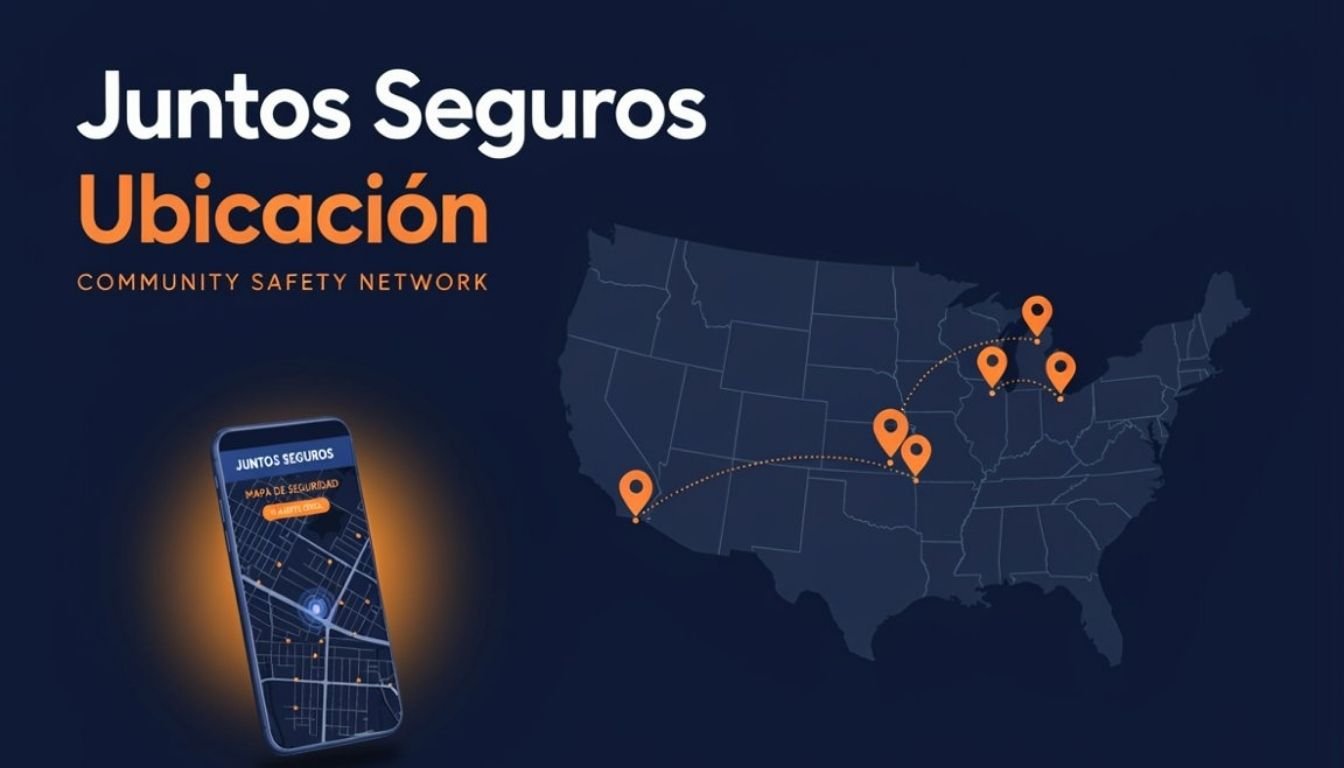
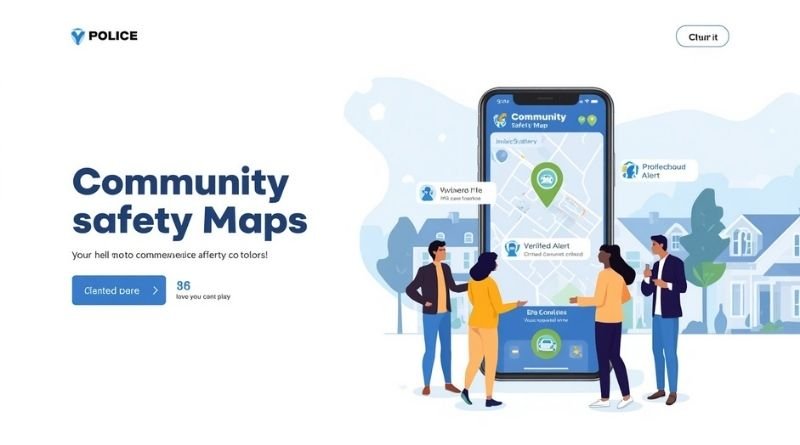
Are community safety maps always accurate
Community maps are useful awareness tools but they depend on the quality of submitted information. They should be viewed as community resources rather than official government records.
Is reporting anonymous
Some organizations allow anonymous submissions while others may request limited contact information to verify details. Review the reporting policy of the platform before submitting information.
Final Thoughts
Community alerts can play an important role in helping people stay informed about local events when they are based on accurate and responsible reporting.
Understanding how Juntos Seguros ICE Sightings work allows community members to recognize the difference between verified information and unconfirmed rumors. Careful reporting respectful communication and thoughtful verification all contribute to stronger community awareness.
Whether you are reading an alert or submitting one yourself always focus on facts rather than assumptions. Responsible community reporting helps protect public trust and ensures that shared information remains useful reliable and respectful for everyone.