
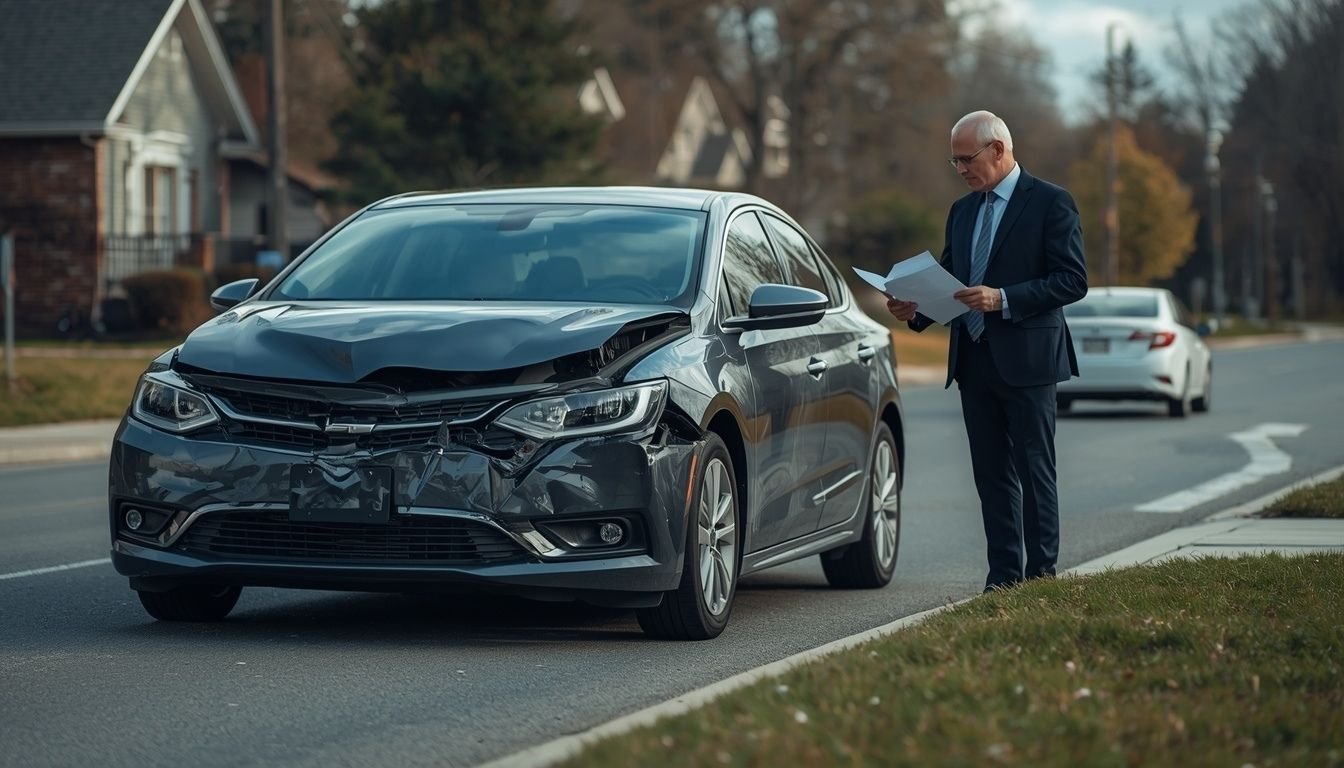
The main purpose of having auto insurance is to protect drivers from financial losses caused by car accidents and other covered vehicle-related incidents. It helps pay for medical expenses, vehicle repairs, property damage and legal liability depending on the coverage included in the policy.
Without insurance, a driver responsible for a serious accident could face thousands of dollars in repair bills, medical expenses and potential legal claims. Even a minor collision can create unexpected financial pressure.
Auto insurance also helps protect other people involved in an accident. Liability coverage provides financial support when a driver causes injuries or damages someone else’s property.
However, not every policy provides the same protection. Understanding the different coverage options is important before choosing an insurance plan.
Key Insights
- Auto insurance protects drivers from major financial losses after accidents and unexpected vehicle damage.
- Liability coverage pays for injuries and property damage caused to others when you are at fault.
- Collision and comprehensive coverage help protect your own vehicle against covered losses.
- Most states require minimum auto insurance coverage to drive legally.
- Choosing suitable coverage limits helps protect your savings and financial assets from expensive claims.
Why Do Drivers Need Auto Insurance?
Driving creates financial risks that can affect both vehicle owners and other road users. Accidents can happen because of distracted driving, poor weather, road conditions or another driver’s mistake.
Auto insurance helps manage these risks by transferring certain financial responsibilities to an insurance company.
Here are the main reasons drivers need coverage.
Protection Against Expensive Accident Costs
A car accident can involve several expenses beyond repairing a damaged vehicle.
Depending on the circumstances, costs may include:
- Medical treatment for injured people
- Vehicle repairs or replacement
- Damage to buildings, fences or other property
- Legal defense and liability claims
- Rental transportation while a covered vehicle is being repaired
For example, imagine a driver accidentally hits another vehicle at an intersection. The other driver needs medical treatment and their vehicle requires extensive repairs.
If the insured driver is legally responsible, bodily injury and property damage liability coverage can help pay these expenses up to the policy limits.
Without sufficient coverage, the responsible driver may have to pay the remaining costs personally.
Protection From Financial Responsibility for Other People’s Losses
One of the most important purposes of auto insurance is protecting drivers against financial claims from other people.
When a driver causes an accident, they may become legally responsible for the injuries or property damage resulting from their actions.
Liability insurance helps cover eligible claims involving:
- Medical expenses for injured people
- Lost wages resulting from accident-related injuries
- Vehicle repair or replacement costs
- Damage to other property
- Legal expenses associated with covered liability claims
This protection matters because a serious accident can create expenses that exceed what an individual can comfortably afford.
Protection for Your Own Vehicle
Not all auto insurance policies pay for damage to the policyholder’s vehicle.
Basic liability coverage generally protects other people rather than paying to repair the insured driver’s car.
Drivers who want protection for their own vehicles may need additional coverage.
Two important options are:
- Collision coverage: Helps pay to repair or replace your insured vehicle after a covered collision with another vehicle or object.
- Comprehensive coverage: Helps cover certain non-collision losses such as theft, vandalism, hail, fire and falling objects.
These coverages can be particularly important for drivers who own newer vehicles or cannot comfortably afford major repair expenses.
What Does Auto Insurance Actually Protect You Against?
The protection available depends on the policy, selected coverage limits, exclusions and deductible.
Understanding each coverage type makes it easier to identify what financial risks your policy addresses.
Bodily Injury Liability Coverage
Bodily injury liability helps pay for injuries you cause to other people in an accident for which you are legally responsible.
It may cover:
- Medical bills
- Rehabilitation expenses
- Lost income
- Certain legal claims
- Pain and suffering damages where legally applicable
For example, if you cause an accident that injures another driver, your bodily injury liability coverage may help pay their eligible medical expenses.
However, it does not generally pay for your own injuries.
Property Damage Liability Coverage
Property damage liability helps pay for damage you cause to another person’s property.
This may include:
- Another driver’s vehicle
- Residential fences
- Buildings
- Mailboxes
- Other damaged structures
Suppose you accidentally lose control of your vehicle and damage someone’s parked car and garage door.
Your property damage liability coverage may help pay for the repairs if you are legally responsible.
Collision Coverage
Collision coverage helps pay for damage to your own vehicle following a covered collision.
It generally applies when your vehicle:
- Hits another car
- Strikes a stationary object
- Hits a guardrail
- Rolls over
- Collides with a pole or building
Collision coverage applies regardless of whether another vehicle is involved. However, coverage is subject to the policy terms and deductible.
Comprehensive Coverage
Comprehensive coverage protects against certain vehicle losses that do not involve a collision.
Common covered events include:
- Vehicle theft
- Vandalism
- Hail damage
- Fire
- Flood damage
- Falling objects
- Animal-related damage
For example, if a tree branch falls on your parked vehicle during a storm, comprehensive coverage may help pay for the repairs.
It is important to remember that comprehensive coverage does not cover every possible non-collision loss. Policy exclusions and conditions still apply.
Personal Injury Protection and Medical Payments Coverage
Medical coverage helps address injuries following an accident.
Two common options are Personal Injury Protection and Medical Payments coverage.
Personal Injury Protection (PIP) may cover certain medical expenses and other eligible costs such as lost wages. Its availability and requirements depend on state law and the policy.
Medical Payments (MedPay) generally helps pay reasonable medical and funeral expenses for covered people following an accident, regardless of fault.
These coverages can help reduce the amount individuals must pay out of pocket for accident-related medical treatment.
Uninsured and Underinsured Motorist Coverage
Not every driver carries enough insurance to pay for the damage they cause.
Uninsured and underinsured motorist coverage helps protect you when an at-fault driver has no insurance or insufficient coverage.
- Uninsured motorist coverage: Helps cover eligible losses when an uninsured driver causes an accident. Certain policies also cover qualifying hit-and-run incidents.
- Underinsured motorist coverage: Helps cover eligible losses when the responsible driver’s insurance is insufficient to pay your covered damages.
The available protection varies by state and policy.
Main Purposes and Types of Auto Insurance
| Coverage Type | Main Purpose | What It Generally Covers |
|---|---|---|
| Bodily injury liability | Protects against injury claims | Medical expenses and eligible injury-related claims |
| Property damage liability | Protects against property damage claims | Other vehicles and damaged property |
| Collision | Protects your vehicle | Covered collision damage |
| Comprehensive | Protects your vehicle | Theft, hail, fire, vandalism and other covered events |
| Personal Injury Protection | Helps with accident-related expenses | Medical costs and certain additional expenses |
| Medical Payments | Helps with medical expenses | Eligible medical and funeral expenses |
| Uninsured motorist | Protects against uninsured drivers | Eligible losses caused by uninsured motorists |
| Underinsured motorist | Provides additional protection | Eligible losses exceeding another driver’s available coverage |
Actual coverage depends on state requirements, policy limits, exclusions and selected options.
Is Auto Insurance Required by Law in the United States?
In most states, drivers must maintain a minimum level of financial responsibility to legally operate a vehicle.
Most states require liability insurance, although the exact requirements differ.
Some states also require additional protection such as Personal Injury Protection or uninsured motorist coverage.
New Hampshire is an important exception because it generally does not require every driver to purchase auto insurance. However, drivers must demonstrate financial responsibility under applicable state requirements.
State minimum coverage is designed to establish a basic level of financial protection. It does not necessarily provide enough coverage for a serious accident.
For example, a policy with a $25,000 bodily injury limit per person cannot pay more than that amount for an individual person’s covered injury claim under that limit. If the claim exceeds the available coverage, the responsible driver may face additional financial liability.
Drivers should check their state’s current requirements before purchasing or renewing a policy. content.naic.org+2
What Happens If You Drive Without Auto Insurance?
Driving without required insurance can create legal and financial problems.
The consequences depend on the state and the circumstances of the violation.
Potential consequences include:
- Fines and financial penalties
- Driver’s license suspension
- Vehicle registration suspension
- Reinstatement fees
- Higher insurance costs when purchasing a new policy
- Personal responsibility for accident-related expenses
The financial consequences can become much more serious if an uninsured driver causes an accident.
For instance, if you damage another person’s vehicle and cause injuries without having insurance, you may have to pay eligible claims directly.
Some states allow alternative methods of demonstrating financial responsibility, but these options have their own requirements.
Maintaining the required coverage helps drivers avoid unnecessary legal exposure and unexpected financial pressure.
Does Auto Insurance Cover Every Accident or Vehicle Expense?
No. Auto insurance does not automatically cover every accident, repair or financial loss.
Coverage depends on the policy’s terms and the circumstances surrounding the incident.
Some common limitations include:
Deductibles: Collision and comprehensive policies commonly require the policyholder to pay a deductible before the insurer pays its covered portion.
Coverage limits: An insurer generally will not pay beyond the applicable policy limit for a covered claim.
Policy exclusions: Certain losses may be excluded from coverage.
Mechanical breakdowns: Normal wear and tear and mechanical failures are generally not covered by standard auto insurance.
Personal belongings: Items stolen from a vehicle may require homeowners or renters insurance rather than auto insurance.
Business use: Personal auto policies may not cover certain commercial driving activities. Drivers using vehicles for business should verify whether they need commercial coverage or a suitable endorsement.
For these reasons, reading the policy documents is just as important as comparing the premium.
How Does Auto Insurance Protect Your Finances After an Accident?
Auto insurance works through a financial agreement between the policyholder and the insurance company.
The driver pays a premium in exchange for the coverage described in the policy.
When a covered accident occurs, the insurance company reviews the claim and determines what it is responsible for paying.
Consider this practical example.
A driver has collision coverage with a $1,000 deductible. Their insured vehicle suffers $6,000 in covered collision damage.
If the insurer approves the full repair estimate, the payment generally works as follows:
| Expense | Amount |
|---|---|
| Total covered repair cost | $6,000 |
| Driver’s deductible | $1,000 |
| Insurance company’s payment | $5,000 |
The driver pays the deductible, while the insurer pays the remaining covered amount.
This example assumes there are no additional coverage restrictions or adjustments.
The same principle applies to other coverage types, although deductibles and payment arrangements differ.
Insurance does not eliminate every financial responsibility. It helps reduce the impact of covered losses by sharing financial risk with the insurer.
Expert Guide: How Much Auto Insurance Coverage Should You Choose?
Meeting your state’s minimum insurance requirements is not always the best financial decision.
The appropriate coverage depends on your vehicle’s value, financial situation, driving habits and ability to handle unexpected expenses.
Consider these factors before choosing a policy.
1. Evaluate Your Financial Assets and Potential Liability
Start by considering what could happen if you cause a serious accident.
Your liability coverage should reflect the potential financial claims you could face.
Drivers with significant savings, property or other assets may have more to lose from a large liability claim.
Higher liability limits can provide additional protection, although they generally increase the premium.
Some drivers may also consider an umbrella insurance policy for additional liability protection beyond certain underlying policy limits.
2. Consider Your Vehicle’s Current Market Value
Collision and comprehensive coverage are not equally valuable for every vehicle.
For a newer vehicle with a high replacement cost, these coverages may provide meaningful financial protection.
For an older vehicle with a relatively low market value, the cost of additional coverage may become less attractive.
Compare:
- Current vehicle market value
- Annual collision and comprehensive premiums
- Deductible amounts
- Potential repair or replacement expenses
If your vehicle is worth $4,000 and your collision deductible is $1,000, the maximum potential benefit from a total covered loss may be limited to approximately $3,000 before considering other policy terms.
This helps put the cost of coverage into perspective.
3. Check Whether You Need Additional Medical Protection
Your health insurance and financial circumstances can influence which medical coverage options make sense.
Consider:
- Whether your state requires PIP or other medical coverage
- Whether your health insurance covers accident-related treatment
- Whether you want protection for passengers
- Whether you could manage lost income after an accident
PIP and MedPay provide different types of protection. Their benefits and eligibility rules should be reviewed before selecting either option.
4. Review Uninsured Motorist Protection
An accident caused by another driver can become financially complicated when that driver has no insurance or insufficient coverage.
Uninsured and underinsured motorist coverage can help address this risk.
Check whether your state requires this coverage and whether you can choose higher limits.
5. Compare Deductibles Against Your Available Savings
A higher deductible can reduce your insurance premium, but it also increases your out-of-pocket responsibility when you file a covered claim.
For example:
- A $500 deductible means you pay the first $500 of an eligible claim.
- A $1,000 deductible means you pay the first $1,000.
Choose a deductible you could comfortably afford without relying on borrowed money.
A lower premium is not necessarily a better deal if the deductible creates financial difficulty after an accident.
Which Coverage Makes Sense for Different Drivers?
| Driver Situation | Coverage Worth Considering | Main Reason |
|---|---|---|
| New vehicle owner | Liability, collision and comprehensive | Protects against liability and vehicle losses |
| Older vehicle owner | Suitable liability limits and optional physical damage coverage | Balances protection against vehicle value |
| Driver with limited savings | Higher liability limits where affordable | Reduces exposure to large liability claims |
| Driver with an auto loan | Collision and comprehensive | Often required by the lender |
| Frequent highway driver | Liability and uninsured motorist protection | Addresses potential accident-related risks |
| Driver in a hail-prone area | Comprehensive coverage | Helps protect against covered weather damage |
These are general considerations rather than universal recommendations. Your state requirements and individual circumstances should guide the final selection.
FAQs
1. What is the main purpose of having auto insurance?
The main purpose of having auto insurance is to provide financial protection against covered accident-related expenses. It helps pay for injuries, property damage and vehicle repairs depending on the coverage selected.
2. What is the biggest benefit of auto insurance?
The biggest benefit is financial protection. A suitable policy can prevent a driver from having to personally pay the full cost of a covered accident or liability claim.
3. Does auto insurance protect the driver or other people?
It can protect both. Liability coverage helps pay for injuries and property damage caused to others, while collision, comprehensive and certain medical coverages provide protection for the insured driver and vehicle.
4. Is liability insurance enough to protect my car?
No. Liability insurance generally pays for injuries and property damage you cause to other people. It does not normally pay to repair your own vehicle when you cause an accident. Collision and comprehensive coverage may provide additional protection.
5. Why do most states require auto insurance?
States generally require financial responsibility to help ensure drivers can pay for injuries and property damage they cause. Minimum insurance requirements help protect accident victims from some of the financial consequences of collisions.
6. Does auto insurance cover damage caused by natural disasters?
Comprehensive coverage generally pays for certain covered natural disaster-related vehicle damage, including losses caused by hail, flooding, fire and falling objects. Coverage depends on the policy and applicable exclusions.
7. Can I drive without auto insurance if I am a careful driver?
Being a careful driver does not remove state insurance requirements. Even experienced drivers can be involved in accidents caused by road conditions, other motorists or unexpected events.
8. Is full coverage auto insurance worth the additional cost?
Full coverage can be worthwhile for drivers who want protection against covered collision and non-collision vehicle damage. It may be particularly important when financing or leasing a vehicle because lenders commonly require collision and comprehensive coverage.
However, drivers with older vehicles should compare the annual premium, deductible and potential payout before deciding.
9. What happens if accident expenses exceed my insurance limits?
The insurance company generally pays covered claims up to the applicable policy limits. If the responsible driver owes more than the available coverage, they may remain personally responsible for the unpaid amount.
10. Does auto insurance cover a stolen vehicle?
Comprehensive coverage generally helps pay for a covered vehicle theft. Standard liability and collision coverage do not normally provide theft protection.
Choosing Auto Insurance That Provides Meaningful Financial Protection
Auto insurance is more than a legal requirement. It is a financial protection tool that helps drivers manage the risks associated with owning and operating a vehicle.
The most important decision is choosing coverage that protects against realistic financial losses rather than simply purchasing the cheapest policy that meets state requirements.
Start by reviewing your state’s minimum requirements, your vehicle’s value, your available savings and your potential liability exposure.
Then compare coverage limits, deductibles and policy exclusions before making a decision.
A suitable policy should provide a balance between affordable premiums and enough financial protection to handle a serious accident without creating unnecessary financial hardship.